
Table of Contents
- What Makes Vintage Style Children's Book Illustrations Collectible
- Golden Age of Illustration Artists and Their Legacy
- Identifying Valuable Vintage Editions and First Printings
- Authentication and Provenance: Knowing What You're Buying
- How to Frame Vintage Book Prints for Display
- Vintage Illustration Art Prints: Preservation and Storage
- Building Your Collection: Where to Source and What to Expect
- Conclusion
- Frequently Asked Questions
Last Updated: August 31, 2026
What Makes Vintage Style Children's Book Illustrations Collectible
Collecting vintage style children's book illustrations has become a serious pursuit for art enthusiasts, literature lovers, and interior designers who recognize their artistic value and historical significance. What separates a casual print from a truly collectible piece comes down to three factors: the illustrator's reputation, the rarity of the original printing, and the condition of the artwork itself.
Vintage style children's book illustrations represent a distinct era of visual storytelling, where artists invested meticulous detail into every page. A first edition with original illustrations can command significant value, especially if the illustrator became renowned for their distinctive style or if the book itself became a cultural touchstone. Original artwork holds premium value, but even reproductions from limited print runs or rare early editions can be valuable. The distinction between a common reprint and a collectible edition often hinges on publication details: which printing it is, whether it includes the dust jacket, and whether the paper quality reflects archival standards that have preserved the colors and details over decades.

Golden Age of Illustration Artists and Their Legacy
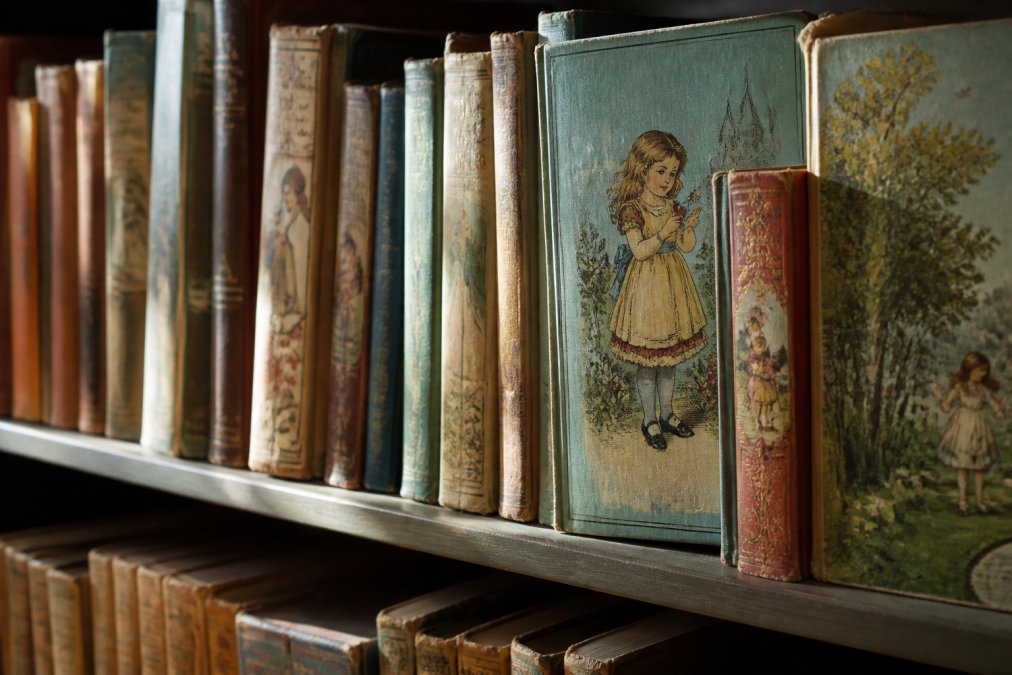
The Golden Age of Illustration, spanning roughly from the 1890s through the 1950s, produced some of the most revered artists in children's literature (loc.gov). This period marked a shift toward elaborate, full-color compositions that became the visual heart of beloved stories. Artists like N.C. Wyeth, Arthur Rackham, and Kay Nielsen defined an entire aesthetic that collectors still pursue today.
Lithography and advanced printing techniques allowed illustrators to render complex scenes with unprecedented detail and color saturation. These were elaborate compositions that often took weeks to complete, elevating children's books to the status of fine art. Collectors often specialize in particular illustrators or periods within the Golden Age, creating micro-markets where expertise and rarity drive value. An original plate or early printing from a less-celebrated but technically accomplished illustrator might be undervalued compared to more famous names, creating opportunities for savvy collectors.
The provenance of pieces from this era matters tremendously. Original artwork from the Golden Age is increasingly rare, as many pieces were discarded or lost over the decades. What remains includes first editions with original illustrations, later printings that maintain quality, and reproduction sets created decades after initial publication.
Identifying Valuable Vintage Editions and First Printings
The hunt for valuable vintage editions requires attention to specific publication details that distinguish a common reprint from a genuinely collectible first printing. Start by examining the title page and copyright information, first printings typically show the earliest copyright date without subsequent printing notations.
Dust jackets significantly impact value. An original dust jacket, even if worn, can triple or quadruple the price of a book compared to a copy without one. The jacket protects the binding and preserves the original cover art, where the illustrator's most striking work often appears.
The condition of the illustrations themselves determines whether a piece is display-worthy. Look for fading, foxing (brown spots caused by paper degradation), water damage, or loose pages. First editions printed on acid-free paper will have aged far better than those printed on cheaper stock. The paper quality directly correlates with how well the colors have been preserved.
Rarity within a title varies significantly. Some beloved classics went through multiple printings, making individual copies common. Research the publication history of any book you're considering, knowing how many copies were originally printed helps you gauge whether you've found something genuinely scarce.
Original artwork and plate proofs represent the highest tier of collectibility. Even reproductions created from original plates, sometimes called "artist proofs," hold value for collectors focused on specific illustrators.
Authentication and Provenance: Knowing What You're Buying
Authentication separates legitimate collectibles from reproductions and forgeries. Examine the printing information, compare the illustrations against documented versions of that printing, and check whether all original components are present. Reproductions often have subtle differences in color reproduction, paper quality, or illustration detail that trained eyes can spot.
Provenance, the documented history of ownership, adds credibility and value to vintage style children's book illustrations. A piece with clear provenance, especially if it comes from a known collection or was previously exhibited, commands higher prices than an identical piece with unknown origins.
When purchasing from dealers or auction houses, request detailed condition reports and authentication documentation. Reputable sellers provide this information willingly and often include high-resolution photographs. Be cautious with heavily restored pieces, while professional conservation can preserve aging artwork, extensive restoration can diminish value for serious collectors who prefer original condition.
Certificates of authenticity matter only when they come from recognized authorities. Established auction houses, museum conservators, and long-established rare book dealers carry weight in the market.
How to Frame Vintage Book Prints for Display
Proper framing transforms vintage style children's book illustrations into display pieces that enhance your space. Start with acid-free matting and backing materials. Acidic materials cause yellowing and deterioration, so using archival quality supplies is essential if you want your collection to remain vibrant for decades.
The choice between glass and acrylic affects both preservation and appearance. Museum-quality UV-protective glass blocks harmful light that causes fading, but it's heavier and more expensive. Acrylic offers similar UV protection at lower cost and weight, making it practical for larger pieces.
Never use adhesive directly on artwork. Instead, use archival mounting corners or hinges that hold the piece without permanent attachment. This reversible approach allows future conservation work without damaging the original.
Color coordination between the mat, frame, and surrounding decor influences how the piece integrates into your space. Vintage style children's book illustrations often feature rich, warm tones that work well with natural wood frames or simple metal frames in black or gold. Neutral mat tones like cream, soft gray, or warm white typically work best.
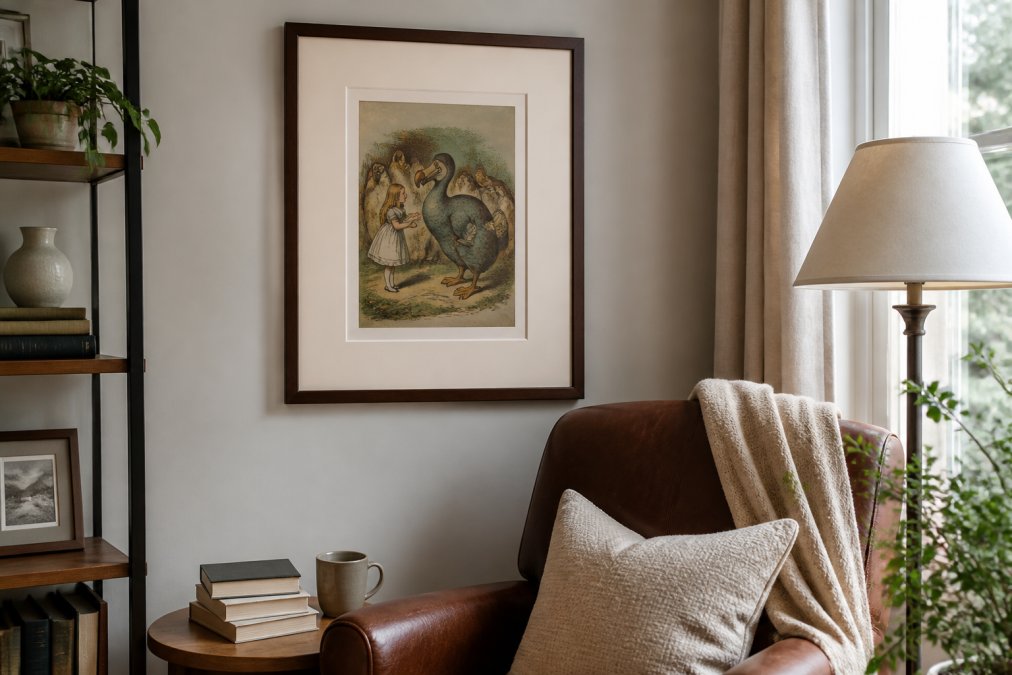
Lighting deserves careful attention. Direct sunlight causes rapid fading, so position framed pieces away from windows or use UV-filtering window treatments. Soft, indirect lighting showcases the illustration without accelerating deterioration.
Vintage Illustration Art Prints: Preservation and Storage
How you store and preserve vintage illustration art prints directly impacts their longevity and future value. Temperature stability is crucial, fluctuating temperatures cause paper to expand and contract, weakening fibers and creating warping or cracking. Ideally, store pieces in environments that maintain consistent temperatures between 60-70 degrees Fahrenheit (si.edu).
Humidity control prevents mold growth and brittleness. Aim for relative humidity between 30-50 percent (archives.gov). Use acid-free storage boxes and avoid plastic containers that trap moisture. Silica gel packets can help regulate humidity in storage spaces.
Light exposure causes fading over time, even in stored pieces. Store vintage style children's book illustrations in dark spaces or in opaque, acid-free boxes. Never store artwork in direct sunlight.
The materials you use for storage are as important as the environment. Acid-free tissue paper, archival boxes, and lignin-free folders protect pieces from chemical degradation. Never use regular newspaper, plastic wrap, or cardboard boxes.
For rolled storage of posters or large prints, use acid-free paper tubes with a diameter large enough that the artwork isn't tightly wound. Store tubes horizontally in a cool, dry location.
Handling practices prevent physical damage. Always wash your hands before touching artwork. Support the entire piece when moving it, never holding it by the edges. Wear cotton gloves when handling valuable pieces to prevent fingerprints and skin oils from transferring to the surface.
Building Your Collection: Where to Source and What to Expect
Building a meaningful collection of vintage style children's book illustrations requires knowing where to look and understanding what different sources offer.
Rare book dealers specialize in authenticated, properly cataloged pieces. This expertise commands premium prices, but the quality assurance and detailed descriptions justify the cost for serious collectors. Online marketplaces and auction sites offer broader selection but require more due diligence. Request detailed photographs, ask specific questions about condition and edition details, and check seller ratings carefully.
Estate sales and antique markets occasionally yield valuable finds, though success requires patience and knowledge. You might discover overlooked pieces at reasonable prices, but you also risk purchasing damaged goods or misidentified editions.
Mind Eracing Studio offers a curated collection of artistic posters and prints, bringing storytelling to life through unique, character-inspired designs drawn from classic tales and fables. We provide art enthusiasts and collectors with distinctive, colorful wall decor, available in high-quality satin and archival matte print options to elevate any space. Our focus on imaginative, character-driven art ensures each piece is a standout addition, capturing the imagination and adding a touch of whimsy to your home.
Pricing varies dramatically based on rarity, condition, and illustrator reputation. Common reprints from popular titles might cost $15-50, while first editions with dust jackets can range from $100-500. Rare pieces or original artwork can command thousands. Set a budget before you start collecting and focus on specific illustrators or periods.
Conclusion
Collecting vintage style children's book illustrations combines art appreciation, historical research, and curatorial skill. The pieces you choose reflect both your aesthetic preferences and your understanding of what makes illustration genuinely collectible: rarity, condition, provenance, and the illustrator's distinctive style.
Start your collection with Mind Eracing Studio's curated selection of character-inspired prints, available in archival matte and satin finishes that ensure your pieces remain vibrant for years. Each print combines the aesthetic of Golden Age illustration with modern preservation standards, giving you collectible-quality artwork without the authentication uncertainty of hunting through secondary markets. Explore the collection and add pieces that resonate with your vision for your space.
Add the Pinoccio poster to your collection for $16.27: Pinoccio
Add the Vintage Storybook Snow White Illustration poster to your collection for $20.99: Poster, Vintage Storybook Snow White Illustration (Rolled Poster)
Add the Alice in Wonderland Tea Party Poster to your collection for $16.27: Alice in Wonderland Tea Party Poster - Satin & Archival Matte Prints

Add the Podling poster to your collection for $16.27: podling

Frequently Asked Questions
Q: What defines the Golden Age of children's book illustration?
A: The Golden Age of Illustration, roughly spanning the late 1800s through mid-1900s, marked a period when illustrators like Arthur Rackham, Edmund Dulac, and Jessie Willcox Smith elevated children's literature into fine art. Advances in lithography and color printing made detailed, multi-color illustrations affordable for mass-produced books. This era prioritized visual storytelling and aesthetic beauty, creating pieces that remain collectible today because they blend artistic mastery with nostalgic charm.
Q: How do I know if a vintage children's book illustration has real value?
A: Value depends on several factors: first edition status, artist reputation, condition, and provenance. Look for signatures from recognized illustrators, check publication dates against known print runs, and examine the printing technique (lithography and woodcut prints from the Golden Age command higher prices). Condition matters significantly, intact dust jackets, unfaded colors, and acid-free storage history boost value. Research comparable sales through rare book databases and auction results to establish realistic pricing.
Q: What's the best way to preserve vintage illustration art prints?
A: Store prints in archival-quality, acid-free materials away from direct sunlight, moisture, and temperature fluctuations. Use acid-free folders or sleeves, and never use regular plastic or adhesive tape. For display, frame prints behind UV-protective glass and use archival matte board for matting. Avoid lamination, which is permanent and reduces value. Handle prints with clean, dry hands, and consider wearing cotton gloves. Digital archiving, photographing your collection at high resolution, provides a backup record of provenance and condition.
Q: Can vintage-style children's book illustrations work in a modern apartment?
A: Yes. Vintage illustrations, particularly those with bold lines and rich color palettes from the Golden Age, complement contemporary design when displayed thoughtfully. The key is curation and framing: choose pieces that echo your space's color scheme, use clean, modern frames with simple matting, and cluster smaller prints for impact. Character-driven art from classic tales adds personality without clashing with minimalist or eclectic modern aesthetics. Many collectors successfully blend nostalgic imagery with contemporary interiors by treating illustrations as gallery-quality artwork rather than novelty decor.
This article was written using GrandRanker